
Crypto Fear and Greed Index Live: Read and Act on It


Before you check the live crypto fear and greed index reading, ask one question: is it confirming or contradicting current price action? A score of 28 with Bitcoin grinding sideways near key support is a very different signal than a 28 print while BTC is collapsing through monthly lows. The number alone is noise. The number in context is an edge.
This page gives you the live crypto fear and greed index, the methodology behind it, and a decision framework that ties the score to Bitcoin dominance, trading volume, volatility, and macro conditions. Whether you are scaling into spot or sizing a leveraged futures position, you will leave with a clear read on whether today's sentiment signals exhaustion, a breakout, or a false alarm.
What the Crypto Fear and Greed Index Measures
The index is a composite sentiment gauge built to translate collective Bitcoin sentiment into a single daily number. It exists because most retail traders buy tops and sell bottoms — and an objective sentiment score helps you fight that impulse.
The 0-to-100 Scale Decoded
The scale runs from 0 to 100. Extreme Fear sits between 0 and 24, Fear between 25 and 46, Neutral between 47 and 54, Greed between 55 and 75, and Extreme Greed between 76 and 100. Readings at the extremes historically mark inflection points — but only when other indicators agree.
Why Sentiment Moves Markets Before Price Does
Sentiment shifts show up in order flow before they show up on the chart. When fear spikes, leverage gets flushed, funding goes negative, and liquidity thins. That mechanical pressure often precedes price reversals by hours or days.
Does the Index Cover All Crypto or Just Bitcoin?
The headline number is heavily Bitcoin-weighted, drawing on BTC volatility, momentum, and dominance. Altcoin sentiment correlates but lags. Treat the index as a Bitcoin sentiment proxy first and a broader crypto market sentiment indicator second.
Live Score: How to Read Today's Sentiment
A live number is only useful if you know what to do with it. The framework below tells you when to trust the read and when to ignore it.
Confirming vs. Contradicting Price Action Right Now
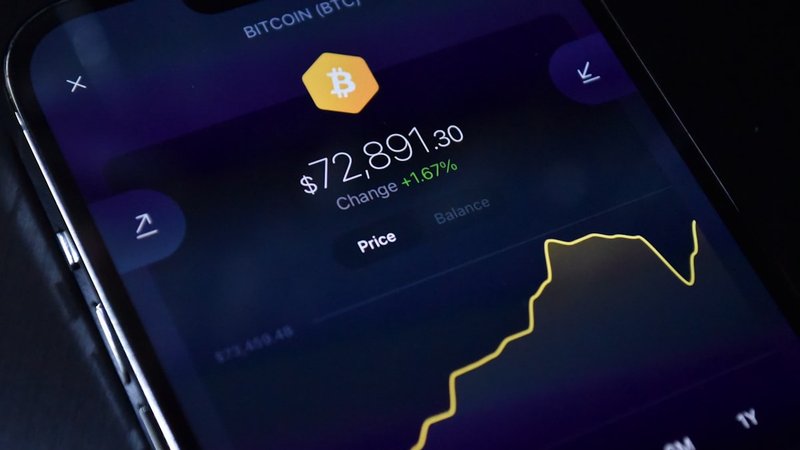
If BTC is making lower lows and the index is dropping into Extreme Fear, sentiment is confirming the trend — not signaling a reversal yet. If BTC is grinding higher but the index slides into Fear, that divergence often marks the strongest buying opportunities. The bullish setups XeroGravity flagged on BTC in Q1 came from exactly this kind of price-sentiment divergence — view the signal results here.
Recognizing Exhaustion Signals vs. Breakout Setups
Extreme Greed paired with parabolic price action, declining volume, and rising funding rates is exhaustion. Extreme Greed paired with a clean break of a multi-month range and rising spot volume is a breakout. The index does not separate the two — you do, using volume and structure.
How a Sudden Shift From Fear to Greed Plays Out in 24 to 72 Hours
Sharp 15-to-25-point jumps from Fear to Greed within three days typically precede short-term mean reversion. Traders pile in late, funding flips heavily positive, and price stalls or pulls back 3–7% before continuing. Wait for the second leg, not the first emotional spike.
How the Index Is Calculated
Understanding the inputs tells you when the score is reliable and when it is being dragged around by one noisy data stream.
The Six Data Inputs and Their Weights
- Volatility — 25%
- Market momentum and trading volume — 25%
- Social media sentiment — 15%
- Surveys — 15% (currently paused)
- Bitcoin dominance — 10%
- Google Trends — 10%
How Market Volatility and Trading Volume Are Scored
Volatility is compared against 30- and 90-day averages. Unusual spikes push the score toward fear. Trading volume is measured similarly — high buying volume in an uptrend pushes the score into greed territory.
Why Social Sentiment and Bitcoin Dominance Are Included
Social sentiment captures retail mood from X and Reddit. Bitcoin dominance acts as a risk-on/risk-off proxy: rising dominance signals capital flight from altcoins (fear), while falling dominance during a rally signals risk appetite (greed).
What Fear and Greed Mean in Different Market Conditions
Most traders blow up by applying bull-market logic in a bear market. The index reading needs to be interpreted through the lens of the prevailing regime.
Bull Market: When Greed Is the Norm, Not a Warning
In a confirmed bull market, the index can sit between 65 and 85 for weeks. CoinGlass data showed BTC open interest expanding alongside sustained Greed readings throughout the 2024 cycle highs — selling every Greed print would have cost you 60%+ of the move. Only act on Extreme Greed (above 85) when it pairs with declining spot volume and parabolic price.
Bear Market: When Fear Becomes the Baseline
In bear markets, Fear is the default. The index can sit between 15 and 35 for months. Buying every Fear print without waiting for Extreme Fear plus a volume capitulation event will bleed you out slowly.
Sharp Reversals: Why the Index Can Lag or Mislead
The index is backward-looking by construction — it averages recent data. During flash crashes or news-driven spikes, the score lags price by 12 to 36 hours. Do not use it as a real-time trigger during high-volatility events.
How to Use the Index With Price, Volume, and Bitcoin Dominance
The score becomes a real edge only when stacked with other confirmation layers. Here is the framework.
Combining Sentiment With Bitcoin Dominance for Altcoin Rotation Clues
When the index sits in Greed and Bitcoin dominance is falling, capital is rotating into altcoins — favor alt longs. When the index drops into Fear and dominance is rising, traders are fleeing alts back into BTC — exit alt longs aggressively. This Bitcoin dominance signal is the single most underused confirmation layer.
Stablecoin Flows and Macro Context as Confirmation Layers
Rising stablecoin supply during Fear readings means dry powder is building — bullish setup. CryptoQuant data has repeatedly shown stablecoin inflows to exchanges accelerating ahead of major reversals. Layer in macro: a Fear print during a Fed pivot week carries far more weight than one during a quiet macro window.
A Tiered Decision Framework by Index Range and Trade Horizon
| Index Range | Swing Trader (1–4 weeks) | Active Trader (1–5 days) |
|---|---|---|
| 0–24 Extreme Fear | Scale into spot | Wait for capitulation volume |
| 25–46 Fear | Accumulate selectively | Long on key support |
| 47–54 Neutral | Hold positions | Trade the range |
| 55–75 Greed | Trim into strength | Long breakouts with stops |
| 76–100 Extreme Greed | De-risk aggressively | Short exhaustion signals |
Scanning the market for setups like this manually takes hours. XeroGravity does it automatically — AI-powered signals with entry, take profit, and stop loss levels delivered to your dashboard in real time. Start free.
How Reliable Is the Index as a Contrarian Signal?
The index is a contrarian indicator — but a probabilistic one, not a deterministic one.
Historical Accuracy: What Extreme Fear and Greed Have Predicted
Looking back at major cycle pivots, Extreme Fear readings below 15 preceded the March 2020, July 2022, and November 2022 BTC lows. Extreme Greed above 90 preceded the April 2021 and November 2021 tops. The signal works at true extremes — not at every Fear or Greed print.
Where the Index Fails: Altcoins, Low-Liquidity Markets, and Black Swan Events
The index is calibrated to Bitcoin. Mid-cap and small-cap altcoins routinely diverge — an alt can rally 80% while the index reads Fear. During black swan events like exchange collapses, sentiment data lags price by half a day or more, making the score useless for real-time risk management.
Top Mistakes Traders Make When Acting on Fear and Greed Alone
- Treating any Fear reading as a buy signal regardless of trend structure
- Shorting every Greed print in a confirmed bull market
- Ignoring Bitcoin dominance and stablecoin flows as confirmation
- Using daily prints instead of multi-day averages
- Applying the index to altcoins the same way you apply it to BTC
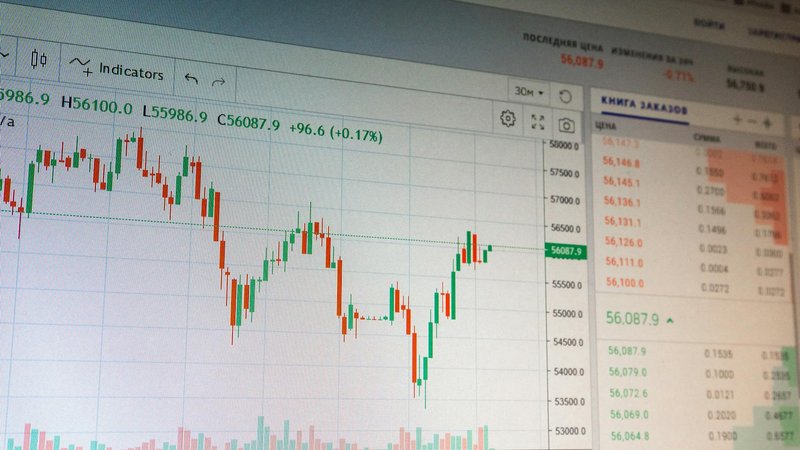
The live score is the starting point, not the verdict. Traders who layer fear and greed readings with price structure, Bitcoin dominance, trading volume, and macro context consistently outperform those chasing the number in isolation. Build the habit of asking three questions every time you check the index: what is the trend, what is dominance doing, and is volume confirming? That is how a sentiment widget becomes an edge.
Frequently Asked Questions
The index runs from 0 (Extreme Fear) to 100 (Extreme Greed), with bands at 0–24 Extreme Fear, 25–46 Fear, 47–54 Neutral, 55–75 Greed, and 76–100 Extreme Greed. Low readings suggest the market is oversold and fearful, high readings suggest euphoria and overextension. Extremes at either end have historically marked inflection points when confirmed by price and volume.
It is a contrarian indicator, not a standalone trade trigger. Extreme Fear below 20 paired with capitulation volume and rising stablecoin reserves leans bullish, while Extreme Greed above 85 with parabolic price action and high funding leans bearish. Never act on the index without confirmation from price structure, Bitcoin dominance, and volume.
The headline index updates once every 24 hours, typically just after midnight UTC. Some platforms publish intraday estimates, but the official daily score is the reliable reference point. For shorter timeframes, pair it with real-time funding rates, open interest, and order flow data.